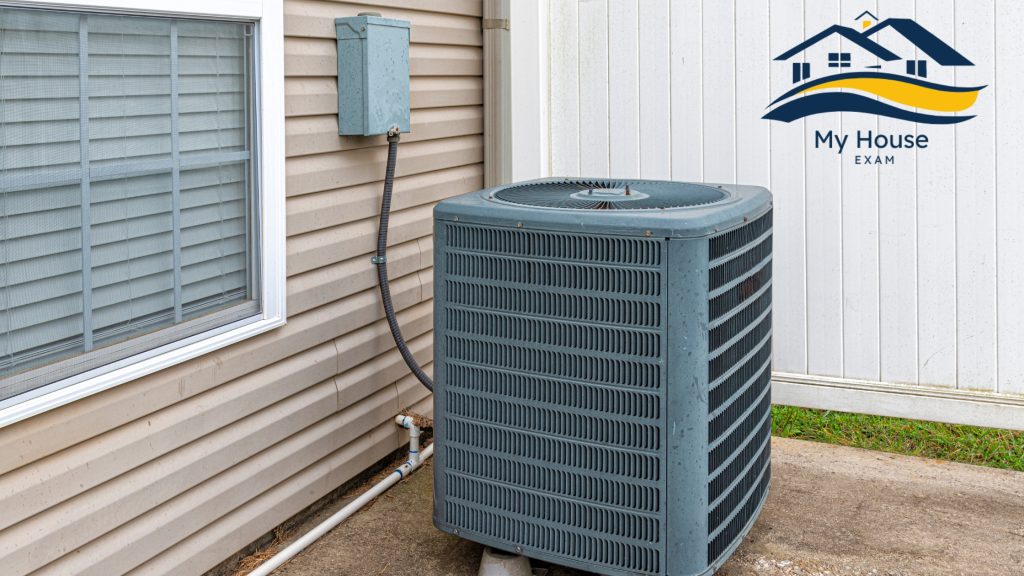
Why Inspecting Your Outdoor AC Compressor Matters (and How to Do It Safely) By a Certified Home Inspector.
In the scorching heat of summer, our air conditioners become our saving grace. But just like any hardworking appliance, they require regular maintenance to function efficiently and keep us cool. Often, the focus falls on cleaning air filters or scheduling professional tune-ups. However, one crucial element frequently gets overlooked: the outdoor AC compressor unit.
This unassuming metal box, nestled outside your home, houses the heart of your air conditioning system – the compressor. Regularly inspecting your outdoor compressor is essential for maintaining optimal cooling performance, preventing costly breakdowns, and extending the lifespan of your entire AC system.
Why is the Outdoor Compressor Important?
The outdoor compressor plays a vital role in the cooling process. It acts like a pump, drawing cool, low-pressure refrigerant gas from your indoor unit and compressing it. This compression process increases the temperature and pressure of the refrigerant, making it hot enough to release heat outside. The hot, high-pressure refrigerant then travels through condenser coils, where a fan blows air over them, dissipating the heat into the surrounding environment. Finally, the cooled refrigerant returns to the indoor unit to absorb more heat from your home, completing the cycle.
The Importance of Regular Inspection!
Here’s why you shouldn’t neglect your outdoor compressor:
- Preventative Maintenance: Early detection of potential problems can save you significant trouble down the line. A simple inspection can reveal issues like loose debris blocking airflow, damaged fins on the condenser coils, or refrigerant leaks, allowing you to address them before they snowball into major repairs.
- Improved Efficiency: A clogged or dirty compressor unit can hinder airflow and force the system to work harder to cool your home. Regular inspection and cleaning ensure optimal efficiency, leading to lower energy bills and reduced wear and tear on your AC system.
- Extended Lifespan: Catching problems early and addressing them promptly can significantly extend the lifespan of your compressor and your entire AC system. A well-maintained AC unit can last for up to 15 years, compared to a neglected one that might only function for 7-10 years.
- Peace of Mind: Knowing your AC unit is operating efficiently and in good condition offers peace of mind, especially during the peak summer months when you rely heavily on it.
How to Inspect Your Outdoor AC Compressor (Safely!)
While it’s recommended to have a qualified HVAC technician perform a professional inspection annually, you can conduct a basic visual inspection yourself every few months. Here’s a safety-first approach:
Safety First:
- Turn off the AC system: Locate your thermostat and turn the system completely off. Wait at least 30 minutes for the compressor to cool down before proceeding.
- Mind the electrical components: Never touch any electrical wiring or components within the unit. Leave that to a professional.
- Beware of sharp objects: The condenser fins can be sharp. Be careful while handling them and wear gloves if necessary.
Visual Inspection:
- Clearance: Ensure there’s at least 2-3 feet of clearance around the unit on all sides to allow for proper airflow. Remove any overgrown plants, leaves, or debris that might be blocking the vents.
- Debris Buildup: Check the outdoor unit for any visible dirt, leaves, twigs, or other debris that might be obstructing the condenser coils. Use a soft brush or a garden hose with a gentle spray to clear away any loose debris. Never use a pressure washer, as it can damage the delicate fins.
- Fin Condition: Inspect the condenser coils for any bent or damaged fins. Straighten minor bends carefully with a fin comb. However, if the fins are severely damaged, consult a professional for repair or replacement.
- Leakage: Look for any signs of refrigerant leaks around the unit. Refrigerant is a colorless gas, but you might notice oil residue or ice buildup around the leak site. If you suspect a leak, contact an HVAC technician immediately.
- Electrical Wiring: Visually inspect the electrical wiring for any signs of damage, fraying, or loose connections. If you notice any concerns, call a professional for immediate repair.
Additional Tips:
- Schedule Professional Maintenance: In addition to your own inspections, schedule a professional tune-up for your AC system at least once a year, preferably before the peak cooling season.
- Keep Up with Air Filter Changes: Regularly changing your air filters (typically once a month during peak season) helps prevent dust and debris from accumulating on the evaporator coil indoors, which can put extra strain on the entire system.
- Trim Vegetation: Keep bushes and shrubs trimmed away from the outdoor unit to ensure proper airflow.