Home Inspection Tip: Always test the Sump Pump regularly & keep a backup nearby!
Basements, often considered the forgotten spaces of our homes, play a crucial role in maintaining the overall structural integrity of our properties. However, they are also susceptible to water damage, which can lead to costly repairs and health hazards. This is where sump pumps and drain tile come into play. These unsung heroes work tirelessly in the background to protect your home from water intrusion.
Understanding Sump Pumps and Drain Tile.
What is a Sump Pump?
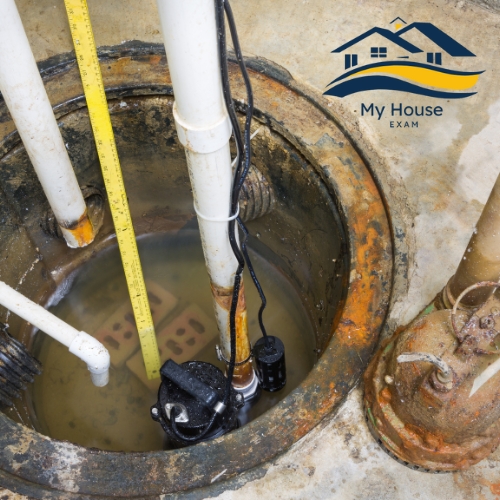
A sump pump is a device installed in a sump pit, a waterproof hole dug in the lowest point of a basement. When groundwater accumulates in the pit, the pump activates, expelling the water away from the foundation.
What is Drain Tile?
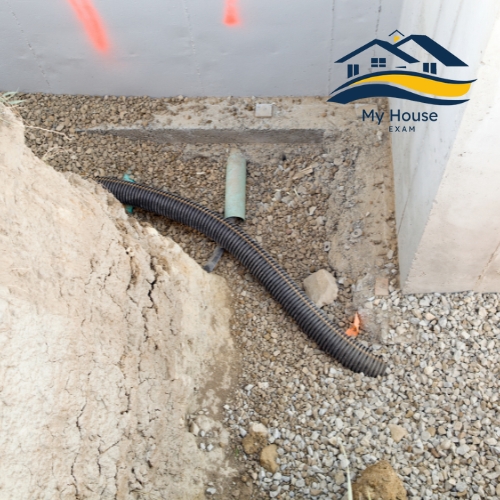
Drain tile is a perforated pipe system installed around the foundation of a house to collect groundwater and direct it towards the sump pit. It’s like a drainage system for your home’s foundation.
The Importance of a Strong Sump Pump System.
A reliable sump pump system is essential for preventing basement flooding. Here’s why:
-
- Protection against groundwater: Sump pumps effectively remove groundwater that accumulates beneath your home.
-
- Preventing foundation damage: Excess water can exert pressure on your foundation, leading to cracks and structural issues.
-
- Maintaining indoor air quality: A wet basement can create a breeding ground for mold and mildew, affecting your family’s health.
-
- Protecting valuables: Flooding can damage stored items, causing significant financial loss.
The Role of Drain Tile.
Drain tile works in conjunction with the sump pump to create a robust water management system. It intercepts groundwater before it reaches the foundation, directing it to the sump pit.
The Home Inspection Perspective.
Home inspectors are trained to assess the condition of sump pumps and drain tile systems. They look for signs of wear and tear, proper installation, and overall functionality.
Key areas of inspection include:
-
- Sump pump condition: Inspectors check for signs of corrosion, leaks, or damage to the pump itself.
-
- Sump pit size and depth: The pit should be adequately sized to accommodate the pump and prevent overflow.
-
- Discharge pipe: The pipe should be clear of obstructions and properly directed away from the foundation.
-
- Backup system: A backup system, such as a battery backup or water-powered pump, is essential for preventing damage during power outages.
-
- Drain tile functionality: Inspectors assess the condition of the drain tile and ensure it’s properly connected to the sump pit.
-
- Grading: Proper grading around the foundation helps direct water away from the house, reducing the load on the sump pump.
Common Sump Pump and Drain Tile Issues.
Problems with sump pumps and drain tile can lead to basement flooding. Some common issues include:
-
- Pump failure: This can be caused by wear and tear, power outages, or clogs.
-
- Clogged drain tile: Roots, debris, or mineral deposits can obstruct the flow of water.
-
- Improper grading: Poorly graded soil can direct water towards the foundation.
-
- Check valve failure: A faulty check valve allows water to flow back into the sump pit.
Maintaining Your Sump Pump System.
Regular maintenance is crucial for ensuring the longevity and efficiency of your sump pump system. Here are some tips:
-
- Test the pump regularly: Simulate a heavy rain by pouring water into the sump pit to check if the pump activates.
-
- Inspect the discharge pipe: Clear any obstructions and ensure it’s directed away from the foundation.
-
- Clean the sump pit: Remove debris and sediment to prevent clogs.
-
- Consider a backup system: Protect your home from power outages with a battery backup or water-powered pump.
-
- Professional inspection: Schedule regular inspections by a qualified technician.
When to Replace Your Sump Pump.
Sump pumps typically have a lifespan of 7-10 years. However, factors like usage and maintenance can affect their longevity. If your pump is showing signs of age or frequent breakdowns, it may be time for a replacement.
Conclusion.
Sump pumps and drain tile are essential components of a home’s water management system. By understanding their function and importance, you can take steps to protect your basement from water damage. Regular maintenance and professional inspections are key to preventing costly problems.
Remember, a dry basement is a happy basement. Invest in the protection of your home by prioritizing your sump pump system.