An article by a certified home inspector.
A fire can ravage a home in minutes, leaving destruction and heartbreak in its wake. While no one plans for such a disaster, it’s crucial to be prepared. One of the most effective tools in your arsenal against fire is a smoke detector. These unassuming devices can be the difference between life and death, making them an indispensable component of home safety.
The Critical Role of Smoke Detectors
Smoke detectors are designed to detect and alert occupants of a fire in its early stages. This precious time can be crucial for evacuating the home safely and contacting emergency services. Studies have shown that homes equipped with working smoke detectors reduce the risk of fire fatalities by up to 50%.
Did you know smoke detectors turn yellow as the age and become less useful.
Early Warning System:
- Precious time: A smoke detector provides invaluable seconds to escape a burning building.
- Evacuation planning: The alarm gives you time to implement your fire escape plan.
- Calling for help: You can alert emergency services promptly, increasing the chances of containing the fire.
Property Protection:
- Damage control: Early detection can limit fire spread, minimizing property loss.
- Insurance benefits: Many insurance companies offer discounts for homes with smoke detectors.
Home Inspections and Smoke Detector Safety
Regular home inspections are essential for maintaining your property’s condition and safety. A qualified home inspector will thoroughly assess your home’s systems and components, including smoke detectors.
What inspectors look for:
- Proper installation: Smoke detectors should be strategically placed throughout the home.
- Functionality: Inspectors test detectors to ensure they are working correctly.
- Battery life: They check battery condition and replace if necessary.
- Age: Smoke detectors have a limited lifespan and should be replaced regularly.
By incorporating smoke detector checks into their inspections, home inspectors play a vital role in protecting homeowners and their families.
Essential Tips for Smoke Detector Safety
- Placement: Install smoke detectors on every level of your home, including basements and attics. Place them inside and outside bedrooms and sleeping areas.
- Testing: Test smoke detectors monthly to ensure they are functioning properly.
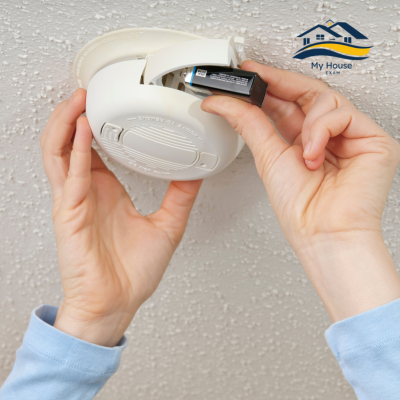
- Battery replacement: Replace batteries at least twice a year, ideally when changing clocks for Daylight Saving Time.
- Interconnected alarms: Consider installing interconnected smoke detectors, so if one sounds, they all do.
- Maintenance: Regularly clean smoke detectors to prevent dust buildup, which can impair performance.
- Replacement: Replace smoke detectors every 10 years, regardless of condition.
Beyond the Basics: Additional Smoke Detector Considerations
While standard smoke detectors are effective, newer technologies offer enhanced protection:
- Ionization detectors: These are sensitive to fast-flaming fires, such as those caused by grease or flammable liquids.
- Photoelectric detectors: Better at detecting smoldering fires, such as those caused by cigarettes or electrical faults.
- Combination detectors: Offer protection against both types of fires.
- Smart smoke detectors: These can connect to your home’s Wi-Fi, providing remote monitoring and alerts.
By understanding the different types of smoke detectors and choosing the right ones for your home, you can further enhance your family’s safety.
Conclusion
Smoke detectors are unsung heroes, quietly guarding your home and loved ones. By prioritizing their installation, maintenance, and testing, you’re taking proactive steps to protect your family and property from the devastating consequences of fire.
Remember, a home inspection is an excellent opportunity to assess the condition of your smoke detectors and address any issues. By working with a qualified inspector, you can ensure your home is equipped with the necessary safeguards to keep you and your family safe.
Don’t gamble with your family’s safety. Invest in smoke detectors today and enjoy peace of mind knowing you’ve taken crucial steps to protect your home.