The Unwelcome Houseguest
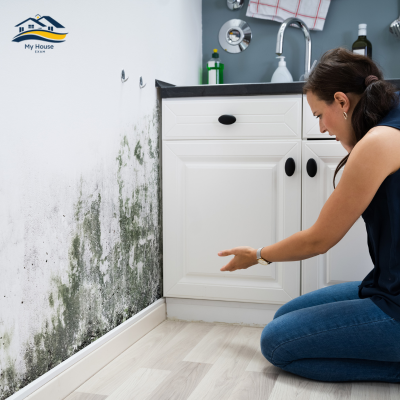
Mold, a type of fungus, is a common and often overlooked issue in many homes. It thrives in damp, humid environments, making it a persistent problem in areas with high humidity levels. While some mold species are harmless, others can pose significant health risks. This blog post will delve into the common types of mold found in homes, their potential health implications, and the crucial role of home inspections in identifying and addressing mold issues.
Understanding Mold
Mold is a microscopic organism that reproduces through spores. These spores are present in the air both indoors and outdoors. When they land on a damp surface, they can germinate and begin to grow, forming visible colonies. Mold requires three essential elements to thrive: moisture, warmth, and a food source, which is often organic matter.
Common Types of Household Mold
Several types of mold are commonly found in homes. While not an exhaustive list, understanding these common culprits can help you identify potential problems:
- Alternaria: This mold is often found outdoors but can also thrive indoors. It’s associated with allergy symptoms and can trigger asthma attacks in susceptible individuals.
- Aspergillus: Widely distributed in the environment, Aspergillus can cause allergic reactions and respiratory problems. Some species can produce harmful toxins.
- Cladosporium: A common outdoor mold, Cladosporium can also grow indoors. It’s often found on damp surfaces and can cause allergic reactions.
- Penicillium: While associated with the production of penicillin, some Penicillium species can produce harmful mycotoxins. This mold is often found in damp, indoor environments.
- Stachybotrys (Black Mold): Often incorrectly labeled as the primary culprit in all mold-related health issues, black mold is a type of Stachybotrys. It requires high moisture levels to grow and can produce toxins. While it’s essential to address black mold, it’s important to remember that other mold types can also pose health risks.
Health Risks Associated with Mold
Exposure to mold can trigger a variety of health problems, ranging from mild allergies to severe respiratory infections. Common symptoms of mold exposure include:
- Allergic reactions: sneezing, runny nose, itchy eyes
- Asthma symptoms: wheezing, coughing, shortness of breath
- Skin irritation: rashes, eczema
- Fatigue
- Headaches
Individuals with weakened immune systems, infants, and the elderly may be more susceptible to mold-related health issues.
The Role of Home Inspections
A comprehensive home inspection is crucial in identifying potential mold problems. Experienced home inspectors are trained to look for signs of moisture damage and areas prone to mold growth. While a home inspection may not involve extensive mold testing, it can reveal conditions that could lead to mold development.
Key areas inspected for potential mold issues include:
- Basements and crawl spaces: Look for signs of water damage, dampness, and musty odors.
- Bathrooms: Check for leaks, poor ventilation, and condensation.
- Kitchens: Inspect for water damage around sinks, dishwashers, and appliances.
- Attics: Look for signs of roof leaks and condensation.
If a home inspector suspects mold, they may recommend further evaluation by a mold specialist.
Preventing Mold Growth
Preventing mold growth is key to maintaining a healthy indoor environment. Here are some essential tips:
- Control moisture: Fix leaks promptly, use exhaust fans in bathrooms and kitchens, and ensure proper ventilation in attics and crawl spaces.
- Reduce humidity: Use dehumidifiers in damp areas and maintain a relative humidity level below 60%.
- Clean up promptly: Address water damage and spills immediately.
- Proper ventilation: Ensure adequate ventilation in all rooms.
- Regular inspections: Conduct routine inspections of your home for signs of moisture or mold.
Mold Remediation
If you suspect a mold problem, it’s essential to address it promptly. Attempting to clean up mold on your own can be dangerous, as it may release spores into the air. It’s recommended to hire a professional mold remediation company to assess the extent of the problem and develop a remediation plan.
Key steps in mold remediation typically include:
- Identifying and addressing the moisture source
- Removing mold-contaminated materials
- Cleaning and drying affected areas
- Using appropriate cleaning agents and personal protective equipment
Conclusion
Mold is a common household problem that can have significant health implications. By understanding the types of mold, their growth conditions, and the potential health risks, you can take steps to prevent and address mold issues in your home. A thorough home inspection is an essential part of protecting your family’s health and well-being. Remember, prevention is key, but if you suspect a mold problem, don’t hesitate to seek professional help.