We all want our homes to be safe havens, places where we can relax and breathe easy. But what if an invisible threat was lurking within your walls, silently impacting your health? That threat is radon, and understanding it, and getting your home inspected, is one of the most important steps you can take to protect yourself and your loved ones.
The Silent Intruder: What Exactly is Radon?
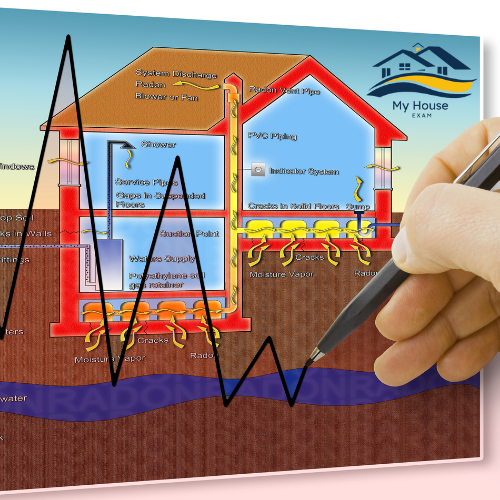
Radon is a naturally occurring, radioactive gas that you can’t see, smell, or taste. It forms from the breakdown of uranium in soil, rock, and water. Because it’s a gas, it can easily move through the ground and seep into homes through cracks in foundations, walls, floor joints, and gaps around pipes and wires.
Think of it like this, the earth beneath our feet contains trace amounts of radioactive elements. As these elements decay, they release radon gas. This gas then seeks the path of least resistance, which can often lead it right into the air you breathe inside your home.
Why Should You Be Concerned? The Health Risks of Radon
The danger of radon lies in its radioactivity. When you inhale radon gas, the radioactive particles can damage the cells lining your lungs. Over time, this exposure significantly increases your risk of developing lung cancer. In fact, the Environmental Protection Agency (EPA) estimates that radon is the leading cause of lung cancer in non-smokers in the United States and the second leading cause overall.
The scary part? You won’t know it’s there unless you test for it. There are no immediate symptoms associated with radon exposure. It’s a long-term threat that silently works against your health.
The Simple Solution: Get a Radon Inspection
The good news is that protecting your home from radon is relatively straightforward. The first crucial step is getting a radon inspection along with your home inspection. A qualified professional will use specialized equipment to measure the radon levels in different areas of your home.
Here’s why a professional inspection is so important:
- Accurate Measurement: The Home Inspectors at My House Exam use calibrated equipment to provide precise readings, ensuring reliable results.
- Proper Placement: They know the optimal locations within your home to place testing devices for the most accurate assessment.
- Comprehensive Evaluation: We can assess potential entry points and provide informed recommendations if elevated levels are found.
- Peace of Mind: Knowing your radon levels allows you to take action if necessary, providing invaluable peace of mind.
What Happens After the Inspection?
If your radon levels are below the EPA action level of 4 picocuries per liter (pCi/L), you’re generally in the clear. However, it’s always a good idea to retest periodically, especially if you make significant changes to your home, such as renovations.
If your radon levels are at or above the action level, don’t panic! There are effective radon mitigation systems that can be installed to reduce the radon concentration in your home. These systems typically involve venting the radon gas from beneath your house to the outside. A qualified radon mitigation professional can design and install a system tailored to your home’s specific needs. Your Home Inspector will be able to explain the process to you.
Protecting Your Haven: The Importance of Action
Your home should be a sanctuary, a place where you feel safe and healthy. Radon is an invisible threat that can compromise that safety. Getting a radon inspection is a simple yet vital step in ensuring a healthy living environment for yourself and your family. Don’t wait until it’s too late, take action today and breathe easier knowing you’ve taken this important step to protect your health.
My House Exam will do everything we can to inform you of any safety measures on your Home Inspection.