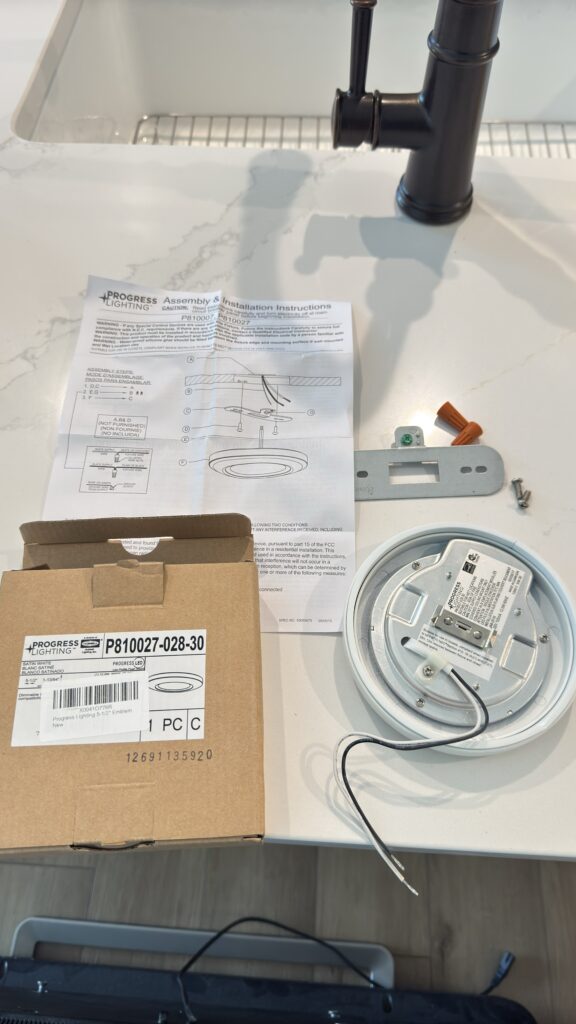
The importance of understanding the differences between LED and traditional light bulbs for your home inspection. Here’s a breakdown of why;
The Importance of Knowing Your LED Lights vs. Standard Bulbs
In today’s world, where energy efficiency and sustainability are paramount, understanding the differences between LED lights and standard bulbs is crucial. Gone are the days when a light bulb was simply a light bulb. Now, we have a variety of options, each with its own set of advantages and disadvantages. Here’s why it matters:
1. Energy Efficiency:
- LEDs:
- LEDs are significantly more energy-efficient than traditional incandescent bulbs. They consume far less electricity to produce the same amount of light.
- This translates to substantial savings on your energy bills over time.
- They produce light through electroluminescence, not incandescence.
- Standard (Incandescent) Bulbs:
- A large portion of the energy used by incandescent bulbs is converted into heat, not light. This makes them highly inefficient.
2. Lifespan:
- LEDs:
- LEDs have a much longer lifespan than traditional bulbs. They can last for tens of thousands of hours, reducing the frequency of replacements.
- LED lifespan is measured by lumen depreciation, the time it takes for the light output to decrease by 30%.
- Standard Bulbs:
- Incandescent bulbs have a relatively short lifespan, requiring frequent replacements.
3. Environmental Impact:
- LEDs:
- LEDs are more environmentally friendly. They contain no harmful substances like mercury, making them easier to dispose of.
- Lower energy consumption also reduces greenhouse gas emissions.
- Standard Bulbs:
- Some traditional bulbs, like CFLs, contain mercury, which requires special disposal.
- Incandescent bulbs higher energy usage, increases the demand for electricity, adding to pollution.
4. Light Quality and Versatility:
- LEDs:
- LEDs offer a wide range of color temperatures and brightness levels, providing greater flexibility in lighting design.
- They are directional, which allows for more focused and efficient lighting.
- Standard Bulbs:
- Incandescent bulbs typically produce a warm, yellowish light.
- They emit light in all directions.
5. Cost-Effectiveness:
- LEDs:
- While LEDs may have a higher upfront cost, their energy efficiency and long lifespan result in significant long-term savings.
- Standard Bulbs:
- Incandescent bulbs are generally less expensive to purchase, but their higher energy consumption and shorter lifespan can lead to higher overall costs.
In Conclusion:
Understanding the differences between LED lights and standard bulbs empowers you to make informed decisions about your lighting choices. By opting for LEDs, you can save money, reduce your environmental impact, and enjoy greater control over your lighting. As technology continues to advance, LED lighting is poised to become the standard for homes and businesses worldwide. Make sure your home inspector in Raleigh / Durham informs you of your homes lighting type.