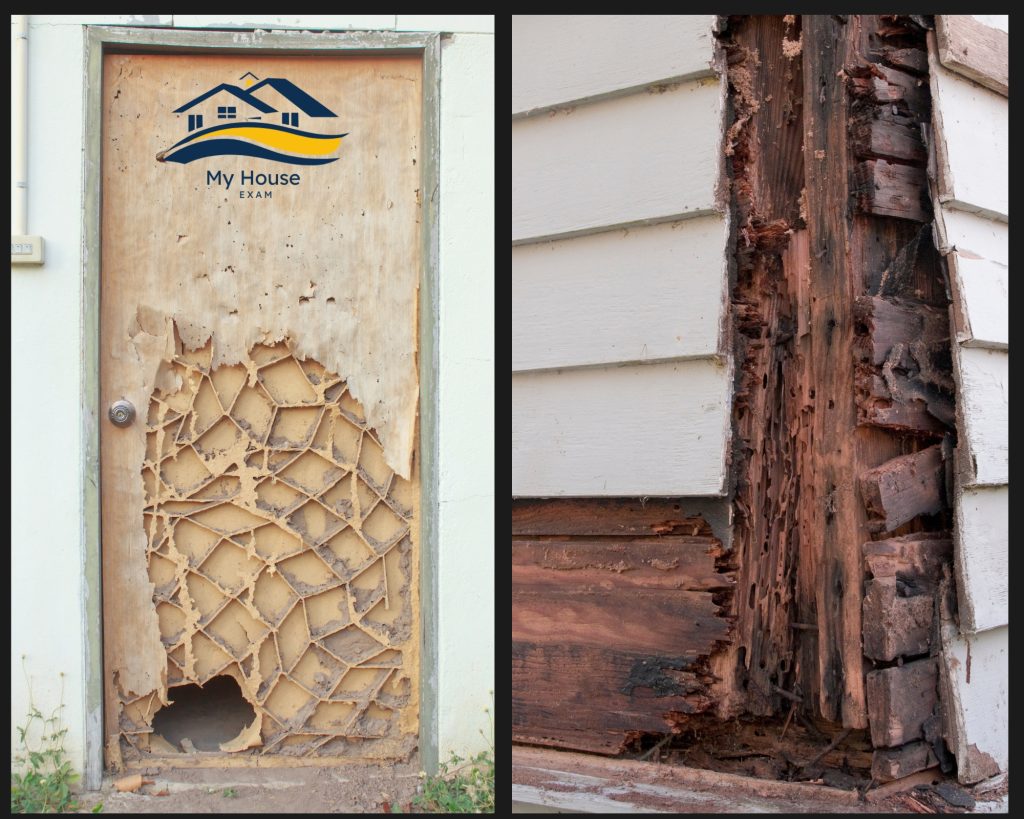
Termites: The Silent Destroyers and the Crucial Role of Home Inspections
Termites, often referred to as “silent destroyers,” are notorious for causing extensive and costly damage to North Carolina homes. These tiny insects can wreak havoc on wooden structures without showing any obvious signs of infestation until it’s too late. This is where the importance of a thorough home inspection comes into play.
Understanding Termites
Before delving into the role of home inspections, it’s crucial to understand these destructive pests.
Types of Termites
There are primarily three types of termites that pose a threat to homes:
- Subterranean Termites: These are the most common type and live in underground colonies. They build mud tubes to access wood and moisture.
- Drywood Termites: Unlike subterranean termites, these pests live and nest within the wood they infest. They don’t require soil contact.
- Dampwood Termites: These termites prefer damp, decaying wood and are less common in homes.
Signs of a Termite Infestation
Recognizing early signs of termite activity is essential for preventing severe damage. Watch out for:
- Mud Tubes: These thin, hollow tubes often found along foundations or walls indicate subterranean termites.
- Hollow-sounding Wood: Tapping on wood that sounds hollow might be a sign of termite damage.
- Swarmers: Winged termites, often seen near windows or lights, are a clear indication of a mature colony.
- Discarded Wings: After swarming, termites shed their wings, which can be found near windows or doors.
- Wood Damage: Visible damage to wood, such as tunnels or galleries, is a late-stage sign.
The Role of Home Inspections
A comprehensive home inspection is a critical step in protecting your investment. A qualified home inspector will carefully examine the property for signs of termite infestation and other potential issues.
What to Expect During a Home Inspection
A thorough home inspection includes:
- Exterior Inspection: Checking for mud tubes, termite swarmers, and visible wood damage.
- Interior Inspection: Examining accessible areas for signs of infestation, such as hollow-sounding wood or damaged woodwork.
- Basement and Crawl Space Inspection: These areas are prime locations for termite activity.
- Attic Inspection: Checking for signs of termite damage in roof trusses and rafters.
The Importance of Regular Inspections
While a home inspection is essential when buying or selling a property, regular inspections are crucial for homeowners. Annual or bi-annual inspections can help detect early signs of infestation and prevent costly repairs.
Preventing Termite Infestation
While a home inspection can identify existing problems, prevention is key. Here are some tips to deter termites:
- Moisture Control: Reduce moisture levels around your home by fixing leaks, improving ventilation, and properly grading the soil.
- Wood-to-Soil Contact: Eliminate wood-to-soil contact by using pressure-treated lumber or creating barriers.
- Regular Inspections: Conduct regular inspections, both interior and exterior, to monitor for signs of termites.
- Professional Pest Control: Consider hiring a professional pest control company for termite prevention and treatment.
The Cost of Ignoring Termite Damage
The financial consequences of ignoring termite damage can be devastating. Repair costs can range from thousands to tens of thousands of dollars, depending on the extent of the infestation. Additionally, termite damage can affect the property’s value and resale potential.
Conclusion
Termites are a persistent threat to homes, but with vigilance and proactive measures, you can protect your investment. A thorough home inspection is a crucial component of termite prevention and early detection. By understanding the signs of infestation and taking steps to reduce the risk, you can safeguard your home from these silent destroyers.
Remember: Early detection is key to preventing costly repairs. Don’t hesitate to contact a pest control professional if you suspect a termite infestation or see and of these items on a home inspection.
-Mud tubes: These are winding pathways made of mud or soil that termites build on foundation walls, basements, or crawl spaces to travel between their nest and food source (wood) indoors.
-Discarded wings: Swarmer termites, reproductive termites with wings, shed their wings after finding a mate and a new location for a colony. Look for piles of tiny wings near windows, doors, or around furniture.
-Hollow-sounding wood: Tap lightly on wooden structures like door frames, floorboards, or baseboards. Termites eat the insides of wood, leaving a hollow shell that sounds dull or produces a tapping sound when struck.
-Termite droppings: These look like small piles of pepper or sawdust and can be found near entry points, around damaged wood, or underneath furniture.
-Soft or damaged wood: If you find wood that is easily punctured with a screwdriver or sounds hollow when tapped, it might be termite-damaged. Be cautious when poking suspected termite activity, though, as you don’t want to disturb them further.
Top Rated Termite Spray – https://amzn.to/3xpmNPK
–So, the next time you’re considering a Raleigh / Durham home inspection, make sure your inspector checks for any pests.