Mold Inspection: What to Expect
Mold can be a serious health hazard if left unchecked. A mold inspection is a crucial step in identifying and addressing any mold issues in your home. Here’s what you can expect during a mold inspection:
1. Visual Inspection
The home inspector will conduct a thorough visual examination of your property, focusing on areas prone to moisture and mold growth. This includes:
- Basements: Check for leaks, standing water, and dampness.
- Attics: Inspect for roof leaks, insulation issues, and condensation.
- Bathrooms: Look for mold around showers, tubs, and sinks.
- Kitchens: Examine areas near sinks, dishwashers, and appliances.
- Crawl spaces: Assess for moisture, ventilation, and signs of mold.
2. Moisture Testing
The home inspector will use specialized equipment to measure moisture levels in various areas of your property. This includes:
- Moisture meters: These devices measure the amount of moisture in building materials.
- Infrared cameras: These cameras can detect hidden moisture by identifying temperature variations.
3. Air Quality Testing
Air quality testing may be conducted to measure the concentration of mold spores in the air. This can be done using:
- Air samplers: These devices collect air samples for analysis in a laboratory.
- Rapid enzyme-linked immunosorbent assay (ELISA) tests: These tests can provide immediate results for certain types of mold.
4. Mold Identification
If mold is found, the home inspector will attempt to identify the specific type of mold. This can be done through:
- Microscopic examination: Mold samples can be examined under a microscope to identify their characteristics.
- Laboratory analysis: In some cases, mold samples may need to be sent to a laboratory for further testing.
5. Mold Assessment
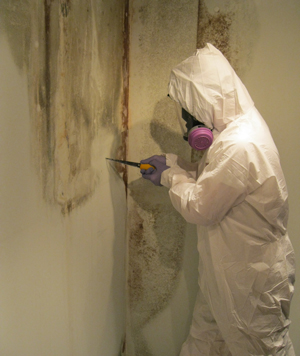
The home inspector will assess the extent of the mold infestation and its potential health risks. This will help determine the appropriate course of action for remediation.
6. Mold Remediation Recommendations
Based on the inspection findings, the inspector will provide recommendations for mold remediation. This may include:
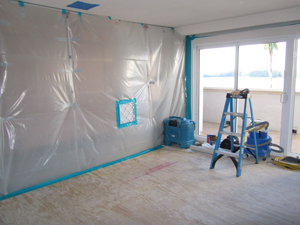
- Cleaning and drying: Removing mold and addressing the underlying moisture source.
- Demolition: Removing severely damaged materials.
- Ventilation: Improving air circulation to prevent future mold growth.
- Ongoing maintenance: Implementing measures to prevent future mold problems.
A comprehensive mold inspection can help you identify and address mold issues before they become a serious health hazard. If you suspect mold in your Raleigh / Durham home or business, it’s important to contact a qualified professional for an inspection.