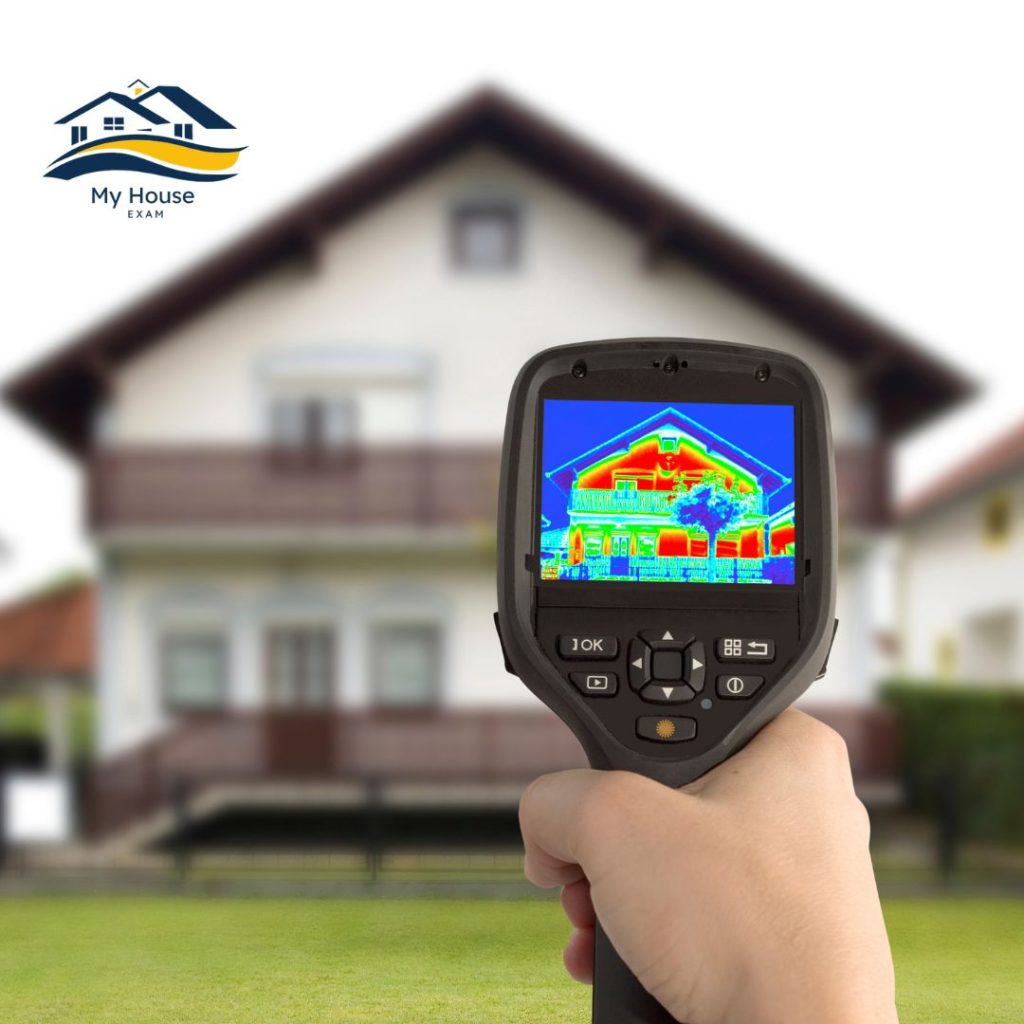
A home inspection is a crucial step in the home buying process. It helps identify potential issues that could cost you thousands of dollars down the line. One tool that has revolutionized the home inspection industry is the thermal imager.
What is a Thermal Imager?
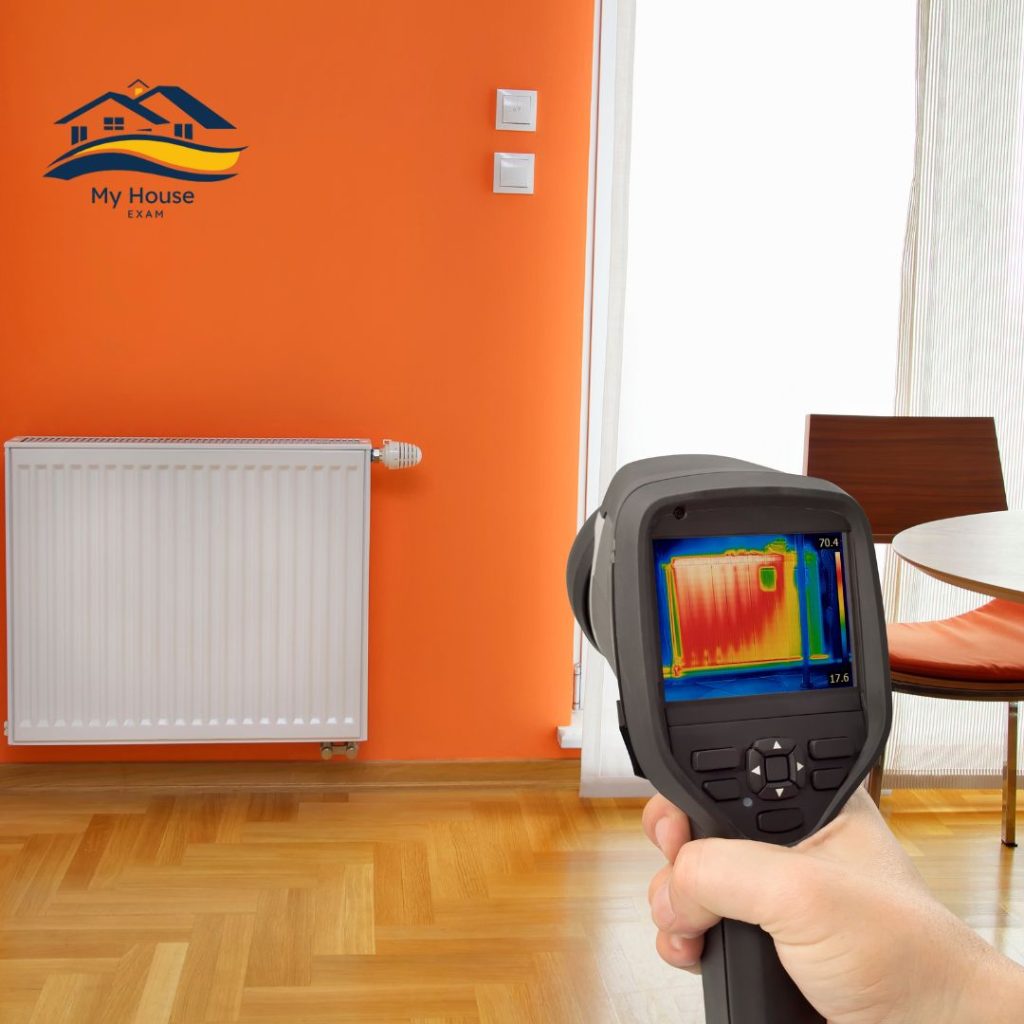
A thermal imager, also known as an infrared camera, detects temperature differences and displays them as a visual image. This technology allows home inspectors to see beyond the surface and identify hidden problems that might otherwise go unnoticed.
How Does a Thermal Imager Help Home Inspectors?
- Assessing HVAC Systems:
-
- Inefficient Ductwork: A thermal imager can pinpoint leaks and poor ductwork connections, leading to energy loss.
- Malfunctioning Components: It can identify components that are not working correctly, such as heat exchangers or compressors.
-
Other Applications:
Thermal imagers have a wide range of applications, including:
- Home Inspection: Identifying heat loss, air leaks, and moisture problems in buildings.
- Electrical Inspection: Detecting overheating electrical components and potential fire hazards.
- Mechanical Inspection: Finding overheating machinery and equipment.
- Medical Applications: Diagnosing certain medical conditions and monitoring body temperature.
- Wildlife Observation: Tracking animals in the dark or through dense foliage.
- Search and Rescue: Locating people lost in the wilderness or trapped in collapsed structures.
By providing a visual representation of temperature differences, thermal imagers can help identify potential problems, improve energy efficiency, and enhance safety in various fields.
By utilizing thermal imaging technology, home inspectors can provide more accurate and comprehensive reports. This empowers homeowners to make informed decisions about their property and potentially save money on energy costs and costly repairs.
So, the next time you’re considering a Raleigh / Durham home inspection, make sure your inspector is equipped with a thermal imager.
-
- Detecting Energy Inefficiencies:
-
- Poor Insulation: A thermal imager can quickly identify areas of inadequate insulation, such as gaps around windows, doors, and in attics.
-
- Air Leaks: It can pinpoint air leaks that can lead to higher energy bills and discomfort.
-
- Detecting Energy Inefficiencies:
-
- Finding Moisture Problems:
-
- Water Damage: By detecting temperature differences, a thermal imager can reveal hidden water damage, such as leaks behind walls or under floors.
-
- Mold and Mildew: These issues often thrive in areas of excess moisture, which a thermal imager can easily identify.
-
- Finding Moisture Problems:
-
- Identifying Electrical Issues:
-
- Overheated Wiring: A thermal imager can detect overheated electrical wiring, which can be a fire hazard.
-
- Faulty Circuit Breakers: It can identify circuit breakers that are not functioning properly.
-
- Identifying Electrical Issues:
- Assessing HVAC Systems:
-
- Inefficient Ductwork: A thermal imager can pinpoint leaks and poor ductwork connections, leading to energy loss.
- Malfunctioning Components: It can identify components that are not working correctly, such as heat exchangers or compressors.
-
Other Applications:
Thermal imagers have a wide range of applications, including:
- Home Inspection: Identifying heat loss, air leaks, and moisture problems in buildings.
- Electrical Inspection: Detecting overheating electrical components and potential fire hazards.
- Mechanical Inspection: Finding overheating machinery and equipment.
- Medical Applications: Diagnosing certain medical conditions and monitoring body temperature.
- Wildlife Observation: Tracking animals in the dark or through dense foliage.
- Search and Rescue: Locating people lost in the wilderness or trapped in collapsed structures.
By providing a visual representation of temperature differences, thermal imagers can help identify potential problems, improve energy efficiency, and enhance safety in various fields.
By utilizing thermal imaging technology, home inspectors can provide more accurate and comprehensive reports. This empowers homeowners to make informed decisions about their property and potentially save money on energy costs and costly repairs.
So, the next time you’re considering a Raleigh / Durham home inspection, make sure your inspector is equipped with a thermal imager.